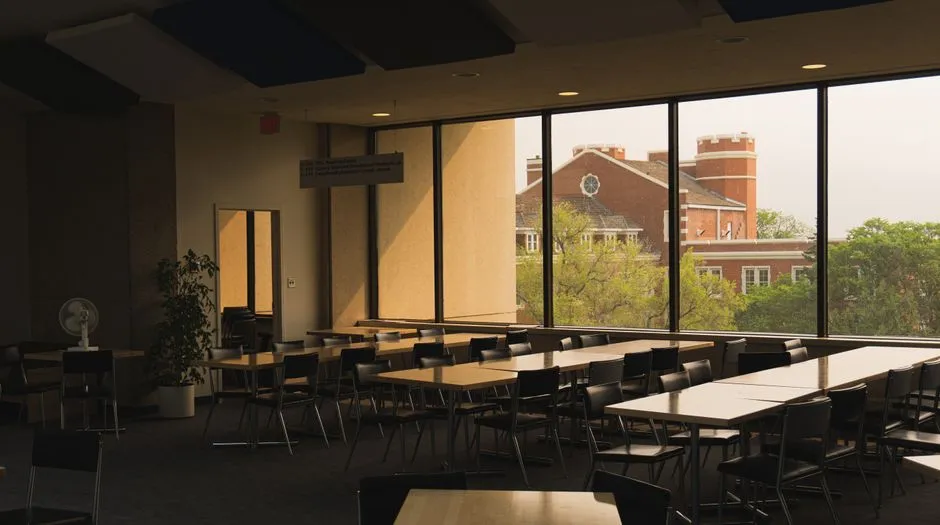
The University of Montana’s dining center just won the grand prize from NACUFS, the National Association of College & University Food Services (UM Dining, July 2026). It’s a significant recognition — NACUFS is the professional organization that sets the standard for campus food service in North America, and its grand prize goes to programs that demonstrate excellence across the full scope of dining operations, not just a single meal or event.
UM joins a small group of programs that consistently earn national recognition. UMass Amherst has held the #1 campus dining ranking for seven consecutive years. Virginia Tech, UCLA, and Cornell are perennial contenders. These programs serve very different student populations on very different campuses, but they share a set of operational traits that go well beyond what’s on the plate.
For dining directors evaluating how to move their own programs forward, the pattern is worth understanding — because the gap between a good dining program and an award-winning one increasingly comes down to the digital layer.
What NACUFS Evaluates
The NACUFS grand prize isn’t a taste test. The evaluation framework looks at the full dining operation: food quality, yes, but also nutrition programming, sustainability practices, marketing and communications, student engagement, and technology integration. A program can serve excellent food and still lose to a competitor that does a better job of telling students what’s available, accommodating dietary needs, and creating feedback loops that drive continuous improvement.
This is where the gap between top-tier programs and everyone else is widening. The food quality bar at most universities is high — professional chefs, well-equipped kitchens, and competitive meal plan pricing are table stakes. What separates the top 10 from the top 100 is how students discover, interact with, and respond to the dining experience.
The Digital Traits of Top Programs
Look at what the consistently top-ranked programs have in common, and a pattern emerges:
Real-time menu transparency. Students at UMass Amherst, Virginia Tech, and similar programs can see what’s being served at every location, updated in real time. Not a static PDF from the beginning of the semester. Not a flyer on the dining hall door. A live, searchable menu that reflects what’s actually being prepared today — including last-minute substitutions and seasonal changes.
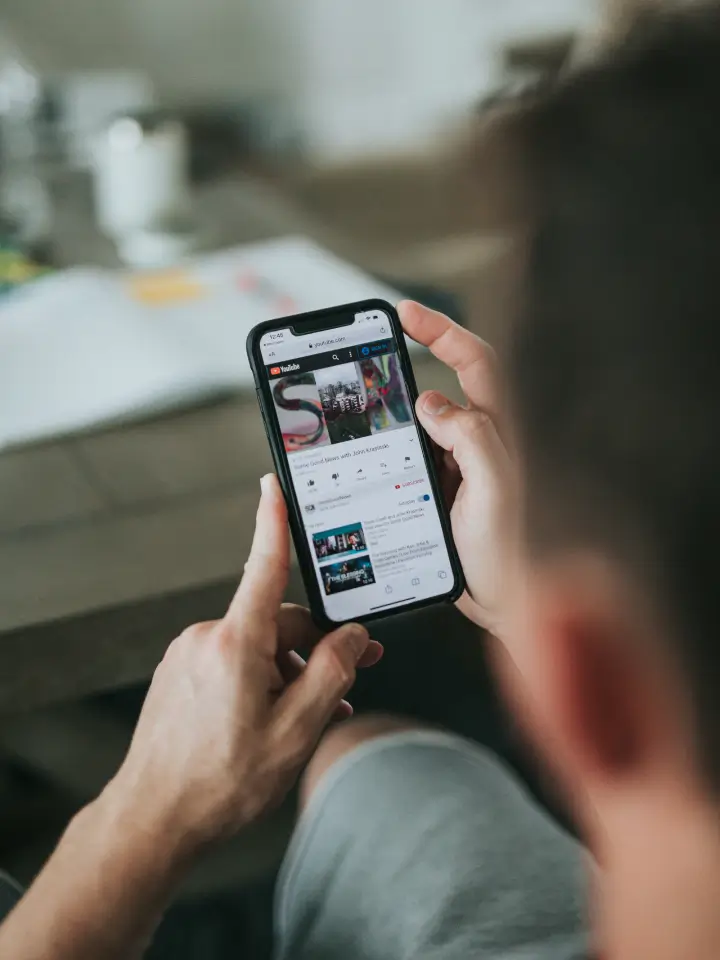
This matters more than most directors realize. A student with a 20-minute gap between classes isn’t going to walk across campus to check what’s for lunch. They’ll check their phone. If the menu is current and searchable, they make an informed choice. If it’s not, they default to the same safe option every day or skip the dining hall entirely.
Nutrition and allergen data that’s actually usable. Top programs publish detailed nutrition information — calories, macros, ingredients, allergen flags — in a format students can filter and search. A student with celiac disease can see, before leaving their dorm, which locations have gluten-free options at lunch. A student tracking protein intake can compare entrees across dining halls.
This isn’t just a student convenience. It’s a compliance and liability issue. The USDA’s updated nutrition standards are pushing schools to publish more detailed dietary information, and students with food allergies are increasingly choosing (and transferring away from) schools based on how well their dietary needs are accommodated.
Feedback loops that reach the kitchen. UMass Amherst’s seven-year reign didn’t happen by accident. The program actively collects student feedback — through in-app ratings, surveys, and direct communication channels — and uses it to adjust menus, test new concepts, and respond to complaints quickly. The feedback loop isn’t an afterthought; it’s a core operational tool.
Most schools collect feedback through annual surveys or a suggestion box in the dining hall. Top programs collect it continuously, through digital channels that meet students where they already are: on their phones.
A branded digital presence that feels owned, not borrowed. The best dining programs have a digital identity that’s distinctly theirs — a branded app, a branded website, a consistent visual experience that feels like part of the campus, not a generic template. When a student opens the UMass dining app, it looks and feels like UMass. It’s not a white-labeled contractor tool with the school’s logo pasted on top.
This is a subtle but important distinction. Students can tell the difference between a platform the school invested in and a template the food service contractor brought along. The former signals that dining is a priority. The latter signals that it’s a line item.
Why Mid-Tier Programs Struggle With This
If the traits of award-winning programs are well-known, why don’t more schools adopt them? The answer is resources — but not in the way most people think.
The barrier isn’t budget. Most schools spend enough on food service operations to fund a strong digital experience. The barrier is operational capacity. Building and maintaining a real-time menu system, a nutrition database, a branded app, a public website, push notification infrastructure, and a feedback system requires dedicated technology resources that most dining departments don’t have.
The typical path looks like this: the food service contractor offers a white-labeled app as part of the contract. It works adequately for a year or two. Then the contractor’s priorities shift, or the school switches contractors, and the app goes stale. The website was built by the university’s IT department three years ago and hasn’t been updated since. Menu data is published in a PDF on a SharePoint site. Nutrition information lives in a spreadsheet that only the dietitian has access to.
The digital experience isn’t bad — it’s just fragmented, under-maintained, and disconnected from the operational reality of a dining program that changes daily.
How a Platform Closes the Gap
The reason schools like UMass Amherst can sustain a top-tier digital experience for seven years isn’t that they have a bigger IT budget. It’s that they’ve built (or adopted) a platform that treats the digital dining experience as an integrated system, not a collection of disconnected tools.
A platform like Dining Connect was designed for exactly this problem. It’s a multi-tenant SaaS layer that gives every school — not just the top 10 — access to the same caliber of digital experience:
Branded mobile app with real-time menus, nutrition filtering, allergen search, push notifications, and student engagement tools — built once, maintained continuously, and customized per school. A dining director doesn’t need to hire an app developer or manage a contractor’s white-labeled template. The app is the school’s app, running on a platform that handles the technology.
Branded dining website with a visual drag-and-drop CMS that dining communications staff control directly. Hours, events, special menus, seasonal announcements — published by the people who know the program, without filing a ticket with IT or waiting on a web contractor.
Real-time menu and nutrition sync that pulls data from the back-of-house system and publishes it to every surface — app, website, and connected displays — simultaneously. When the menu changes, everything updates. Students see what’s actually being served, not what was planned last week.
Student feedback tools integrated into the same app students use for menus. Text-based feedback, in-app ratings, and a direct channel between students and the dining team. No separate survey platform. No suggestion box on the wall. Feedback flows through the same system students already trust.
Managed services that keep the whole thing running. Content updates, hosting, security, support, and ongoing platform improvements — handled by the platform team, not by the dining department’s already-stretched staff.
The Awards Follow the Experience
The University of Montana’s NACUFS grand prize and UMass Amherst’s seven-year streak aren’t accidents of food quality. They’re the result of dining programs that treat the student experience — discovery, transparency, engagement, and feedback — with the same rigor they apply to menu planning and kitchen operations.
The good news for every other dining program in the country is that the technology that enables this experience is no longer custom-built or locked behind a single contractor’s system. A platform that any school can adopt, customize, and own — regardless of which food service provider runs the kitchen — means the gap between a good program and an award-winning one is closing.
The food still has to be great. But the experience of finding it, understanding what’s in it, and telling the dining team what you think about it — that’s the part that separates the programs students remember from the ones they just eat at. Dining Connect gives every school access to that experience: a branded app, real-time menus, nutrition filtering, student feedback, and managed services — the same digital foundation that top-ranked programs run on. See how Dining Connect works →