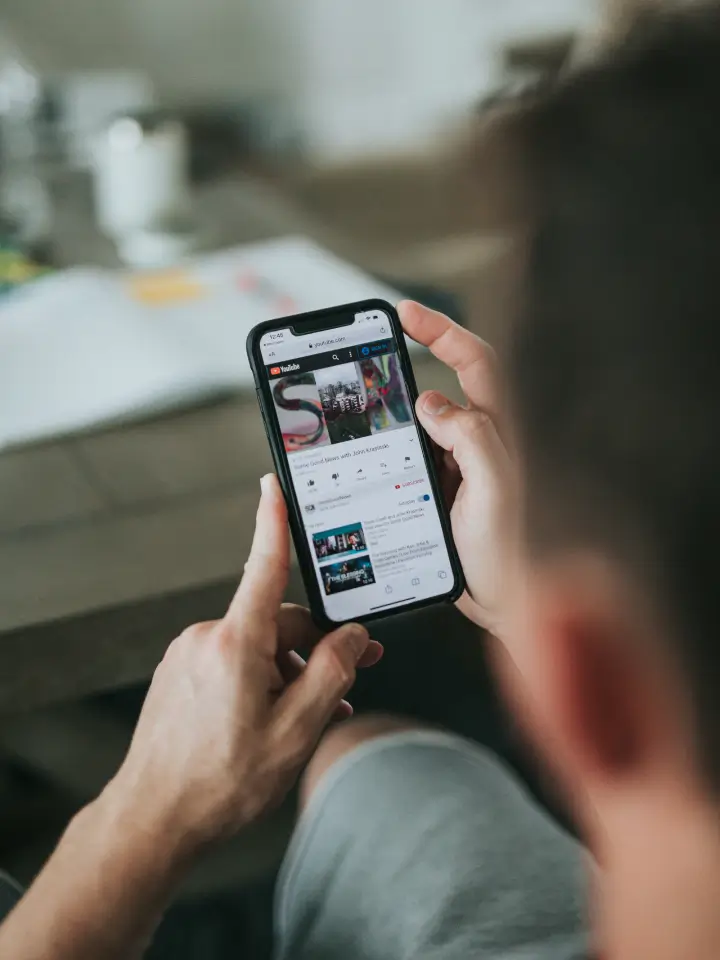

If your campus dining app shows today’s menu and a meal plan balance, it’s doing the bare minimum — and students know it. In 2026, the baseline for a mobile dining experience has shifted well beyond a static list of entrees. Students expect the same kind of functionality they get from the apps they use every day: real-time information, personalized filtering, proactive notifications, and a way to give feedback without sending an email nobody reads.
The Gap Between What You Built and What Students Use
Most campus dining apps were built to solve a single problem: let students see the menu. That made sense five years ago when the alternative was a PDF on a SharePoint site. But the problem has evolved.
A student deciding where to eat on a Tuesday afternoon isn’t just asking “what’s for lunch?” They’re asking:
- Is the dining hall open right now?
- Do they have anything gluten-free?
- What’s the protein count on today’s entrée?
- Did the schedule change for the late-night option?
- Is there a special event this week?
A static menu answers one of those questions. The other five require a phone call, a walk across campus, or — more likely — the student just defaults to the same safe option every day and stops engaging with dining altogether.
Allergen and Dietary Filtering Is Not Optional
The single most impactful feature a campus dining app can add — beyond the menu itself — is real-time allergen and dietary filtering. Not a PDF of allergen information updated once a semester. A live, searchable filter that tells a student with celiac disease exactly which items at which locations are safe for lunch today.
This matters for compliance reasons. The USDA’s updated nutrition standards are pushing schools to publish more detailed dietary information. But it matters even more for student trust. A student who can reliably filter for halal, kosher, vegan, gluten-free, or specific allergens through the app will use the app every day. A student who can’t will stop checking and start making their own workarounds — or worse, transferring to a school that accommodates their needs better.
International student enrollment continues to rise, and dietary accommodation is increasingly a factor in where students choose to enroll. A Study International report from July 2026 highlights how halal food availability on campus influences international student decisions. Schools that can clearly communicate dietary options through a searchable digital experience — not a static document — have a concrete enrollment advantage.
Push Notifications That Students Actually Want
Push notifications are the most underused engagement tool in campus dining. Most dining departments send a weekly email newsletter that 12% of students open. Meanwhile, a well-timed push notification about a special event, a schedule change, or a new menu item gets seen by 60–80% of recipients within the first hour.
The key is relevance. A push notification that says “Dining hall hours changed for spring break” is useful. A push notification that says “New vegan options at South Dining Hall this week” is useful for students who’ve filtered for vegan options. A push notification that says “Come try our new menu!” is noise.
A dining app that tracks dietary preferences and engagement patterns can send notifications that students actually appreciate — not spam that they mute after the second week.
Nutrition Tracking as a Daily Habit
The campus dining apps with the highest daily active usage aren’t the ones with the prettiest menus. They’re the ones that integrate nutrition tracking into the student’s daily routine. When a student can log what they ate at the dining hall and see it reflected in their Apple Health data, the dining app becomes part of their health and fitness workflow — not just a reference tool they check occasionally.
This is a feature that top-ranked dining programs have been adopting. UMass Amherst, which has held the #1 campus dining ranking for seven years, uses digital tools that keep students engaged with dining beyond the meal itself. The app isn’t just how students find food — it’s how they track it, give feedback on it, and plan around it.
Feedback That Reaches the Kitchen
Most campus dining feedback happens in one of two ways: a suggestion box in the dining hall that nobody checks, or an annual survey that produces a report nobody acts on. Neither channel gives the dining team actionable, timely information about what’s working and what isn’t.
A feedback channel built into the dining app — where students can rate a meal, flag a problem, or suggest an improvement without leaving the platform they already use — closes the loop between the kitchen and the student body. Dining directors get real-time signal instead of annual noise. Students feel heard instead of ignored.
This isn’t a nice-to-have. It’s the mechanism that drives menu improvement, identifies staffing issues, and catches food quality problems before they become complaints on social media. Top dining programs don’t just collect feedback — they act on it visibly, and students notice.
What a Real Campus Dining App Looks Like
A campus dining app that actually works for students in 2026 includes:
Real-time menus that update when the kitchen makes a change, not when someone remembers to upload a PDF.
Allergen and dietary filtering that lets students search by gluten-free, halal, kosher, vegan, or any specific allergen — across all locations, for every meal period.
Location hours that reflect actual operating status, including unexpected closures and schedule changes.
Push notifications that are relevant to the student’s preferences and dietary needs, not generic blasts.
Nutrition tracking integrated with Apple HealthKit so students can see their dining data alongside their fitness data.
Student feedback built into the same app, so the dining team gets continuous signal instead of annual surveys.
A branded experience that looks and feels like the school’s dining program — not a generic template with the university logo pasted on top.
That last point matters more than most people think. Students can tell the difference between a platform the school invested in and a contractor’s white-labeled afterthought. The former signals that dining is a priority. The latter signals that it’s a line item on a food service contract.
A campus dining app that only shows a menu is a reference tool. An app that shows real-time menus, filters by allergen, tracks nutrition, sends relevant notifications, and collects student feedback is a daily habit. Dining Connect was built as that daily habit — a branded mobile app with real-time menus, allergen filtering, nutrition tracking via Apple HealthKit, push notifications, Text N Tell feedback, and a dining AI assistant, all on a multi-tenant SaaS platform the school owns. See how Dining Connect works →