A large university dining operation is not one dining program. It’s a fractal — dozens of locations, hundreds of staff, multiple POS systems, catering operations, retail concepts, food trucks, and late-night options spread across a campus the size of a small town. Keeping students informed about what’s open, what’s being served, and what’s safe to eat is a daily logistics challenge that most dining teams solve with a patchwork of PDFs, printed signs, and a website that was last updated in 2019.
If your campus has 15,000+ students and more than ten dining locations, you already know the problem. The question isn’t whether to digitize — it’s how to do it without ripping out the systems your team already knows.
The Real Problem at Scale
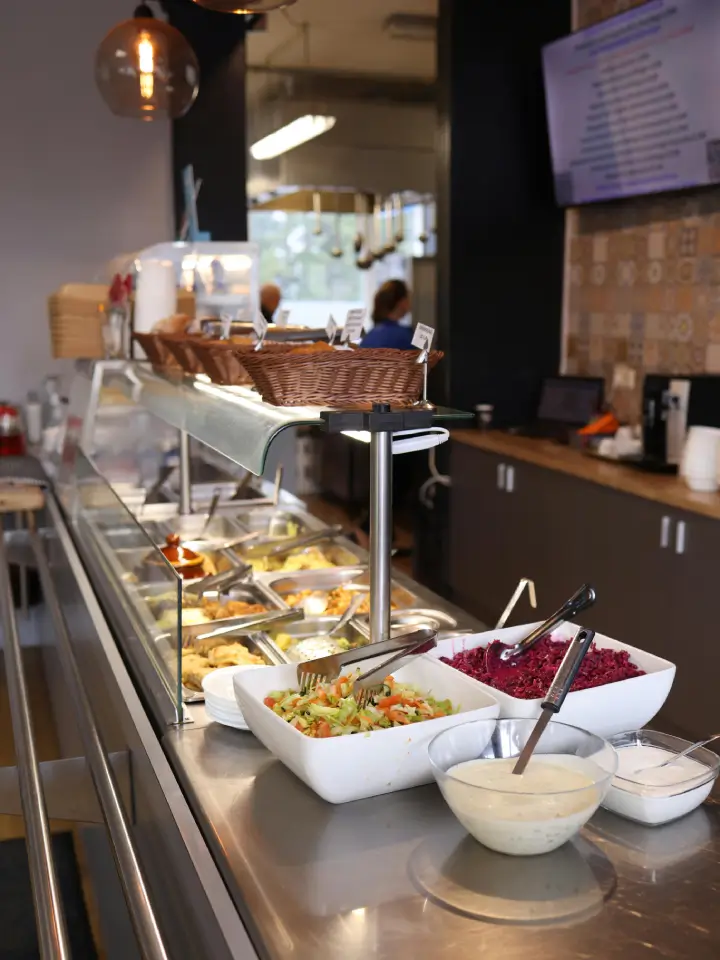
At a small college, dining is three locations and one menu cycle. At a large university like UMass Amherst, it’s Berkshire Dining Commons, Worcester, Franklin, Blue Wall Cafe, the Campus Center food court, and dozens of retail options — each with its own hours, menu rotation, and operational quirks.
Here’s what breaks at scale:
- Menu drift: The POS says a station is serving chicken parm. Actually, they ran out at 2 PM and switched to pasta. The website still says chicken parm.
- Hours chaos: Exam week hours, holiday hours, weather closures, construction closures. Each location has its own schedule that changes weekly.
- Nutrition and allergens: A student with a peanut allergy doesn’t care about the overall menu. They need to know which stations are safe — and that data changes menu by menu, day by day.
- Communication gaps: A dining manager updates a printed sign. Nobody updates the app. Nobody updates the website. Students show up and leave disappointed.
Why a POS Replacement Isn’t the Answer
Many dining teams assume the fix is a new POS or a more expensive menu management system. That’s a multi-year, six-figure project that touches every cash register, every inventory workflow, and every staff training plan on campus. It’s a real solution — but it’s the wrong first step.
The POS handles transactions. It’s good at that. What it’s not good at is being the single source of truth for what students see on their phones. That’s a different problem — a publishing and synchronization problem — and it deserves a different solution.
A Managed Dining Platform Sits Alongside Your POS
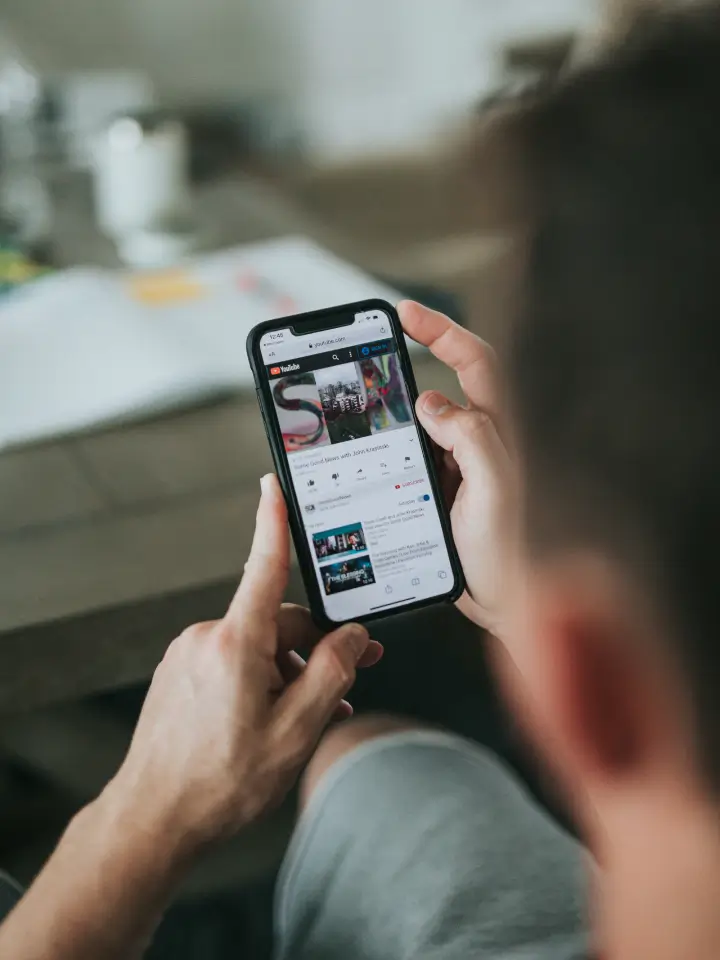
Dining Connect takes a different approach. Instead of replacing your POS, it sits alongside it. Your team manages dining content — menus, hours, locations, nutrition, allergens, events — in one dashboard. The platform syncs that data to every student-facing channel simultaneously: the branded mobile app, the dining website, digital signage, and integration endpoints.
Here’s what that looks like at a large campus:
One Dashboard, Every Location
Each dining location has its own entry in the Dining Connect portal. Your dining managers update hours, menus, and special events in the portal — not in five different places. One update pushes everywhere.
Real-Time Menu Sync
When a station runs out of an item or changes its menu mid-service, the manager updates it in the portal. The app, website, and signage all reflect the change within seconds. No more stale PDFs.
Nutrition and Allergen Filtering at Scale
A student with a gluten intolerance opens the dining app and filters by “gluten-free.” The app shows exactly which items are safe at which locations today — not a generic list from last semester. This requires live nutrition data synced across every dining hall, which only a managed platform can do.
Hours That Actually Match Reality
Exam week, holidays, construction, weather — every hours change goes into the portal and immediately propagates to the app and website. Students stop showing up to closed dining halls.
What Students Get Out of It
From a student’s perspective, a large campus becomes navigable. They can:
- Search for what’s open right now across all campus dining locations
- Filter menus by dietary need (vegan, halal, gluten-free, nut-free)
- Get push notifications when their favorite location opens or when a special event is happening
- See live hours, live menus, and live nutrition information — not a PDF from last month
This is what students at large universities expect in 2026. They use food delivery apps that update in real time. A campus dining experience that doesn’t match that standard feels dated, regardless of how good the food actually is.
What Dining Teams Get Out of It
For the dining team, the value is operational:
- Fewer student complaints about closed locations or wrong menus
- Less time spent updating signs, PDFs, and spreadsheets
- Better data on which locations are searched, which menus are viewed, and what students actually care about
- A professional digital presence that prospective students and parents find when researching campus life
The Implementation Path
Dining Connect is designed for large, multi-location campuses. The onboarding process:
- Audit your current systems — what POS you use, how menus currently get published, where hours live
- Configure your locations — each dining hall, cafe, and retail concept gets set up in the portal
- Import your menu and nutrition data — your existing data feeds into the platform; no manual re-entry from scratch
- Brand it — the app and website carry your university’s logo, colors, and identity
- Sync and go live — data flows from the portal to the app, website, and signage simultaneously
The full implementation is managed by Dining Connect, not your campus IT team. Your dining staff learns one tool — the portal — and everything else is maintained for you.
Why This Matters Now
Prospective students research dining before they tour campus. Parents want to know their student will be fed well and safely. Current students want a dining experience that feels as modern as every other app on their phone. A large university that runs exceptional dining operations but presents them through outdated digital channels is underselling one of its most important campus life features.
If your campus has the food, Dining Connect makes sure students can find it, filter it, and trust it — without replacing a single cash register.