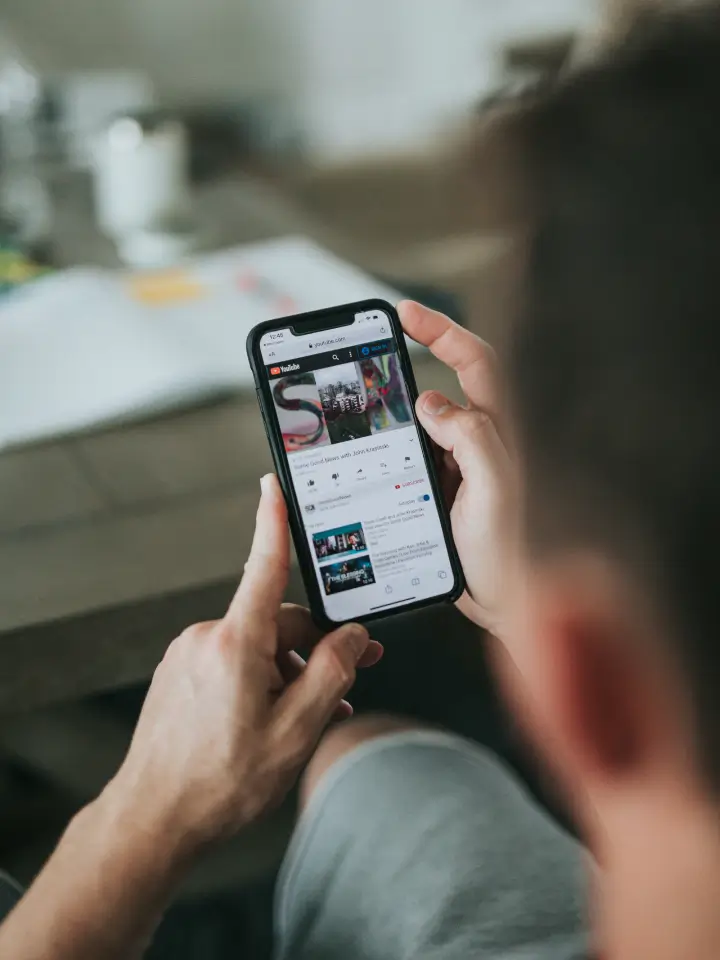
A student finishes a late class at 9 PM. They pull out their phone, check the dining app, and see that Berkshire Dining Commons is open until 11. They walk fifteen minutes across campus in the cold. The doors are locked. The lights are off. The app was wrong.
That student is not going to check the app again. They’ll default to whatever is reliably open — the convenience store, a food delivery app, or the vending machine in their dorm. And you’ve lost a dining engagement that was yours to keep.
The Hours Problem Is Bigger Than You Think
Campus dining hours seem simple until you actually manage them. A mid-sized university with twelve dining locations has:
- Regular semester hours — different for each location
- Weekend hours — shorter, sometimes different locations entirely
- Exam week hours — extended, but not for every location
- Break hours — reduced service, some locations closed entirely
- Holiday hours — Thanksgiving, Christmas, MLK Day, Memorial Day
- Weather closures — unexpected, need to update immediately
- Construction or maintenance — a location closed for a week with no warning to students
- Special events — campus events, commencement, move-in day
That’s not twelve schedules. It’s twelve locations times eight schedule types. Without a centralized system, each change becomes a manual update across the dining website, the mobile app, printed signage, and maybe an email blast. Something always gets missed.
The Trust Tax
Every time a student arrives at a dining location based on outdated hours information, it chips away at trust. After two or three times, they stop using your app. They stop checking your website. They assume the information is wrong and plan around it.
This is especially damaging for:
- First-year students who don’t yet know the campus and rely entirely on digital information
- Commuter students who need to plan their day around when they can eat
- Students with dietary restrictions who need to know which locations have safe options and when those locations are open
What Accurate Hours Actually Deliver
When hours are reliably correct across every channel, the effects are immediate:
Higher App Engagement
Students check the app multiple times a day when they trust it. “Is Blue Wall open?” “When does the Campus Center close?” “What’s still open right now?” Each check is an engagement opportunity — and a chance to surface menus, promotions, and events.
Better Academic Integration
Students plan study sessions, homework blocks, and social time around meals. When they can trust that the dining hall closes at 10 PM, they work until 9:45 and eat. When they’re unsure, they either eat early and burn out, or skip the meal entirely.
Reduced Front Desk Confusion
Dining desk staff spend less time answering “are you closing soon?” and “when do you open tomorrow?” because that information is already in every student’s pocket.
How a Managed Dining Platform Fixes Hours
Dining Connect treats hours as a first-class data type — not a PDF, not a static page, but live data that syncs across every channel:
Central Hours Management
Each dining location in the Dining Connect portal has its own hours schedule. Dining managers set regular hours, weekend hours, and special schedules for exams and breaks — all in advance. When a change is needed, they update the portal and every channel reflects it immediately.
Real-Time Updates for Closures
A water pipe bursts in Worcester Dining Commons. The manager marks the location as “temporarily closed” in the portal. Within seconds, the mobile app, the dining website, and digital signage all show the closure. Students see it before they leave their dorm.
Hours in Context
The app shows hours alongside menu information, so students see not just “open until 10 PM” but “open until 10 PM, serving dinner menu with pizza, stir-fry, and salad bar.” Hours aren’t isolated data — they’re part of the full dining decision.
Push Notifications for Changes
When a location changes hours or closes unexpectedly, students can receive push notifications — either for all changes or for their favorite locations only. This turns a negative (unexpected closure) into a proactive communication.
The Bottom Line for Dining Teams
Accurate hours are table stakes. They’re the difference between a dining app students use every day and one they delete after the first week. For a large campus running twenty dining locations, the operational overhead of keeping hours current across a website, an app, and physical signage is enormous — unless it’s centralized.
Dining Connect makes hours a one-update, every-channel-sync operation. Your dining managers update the portal. The platform does the rest. Students get reliable information on their phones. And you stop losing engagement to outdated PDFs and printed signs that nobody reads.